Overdraft
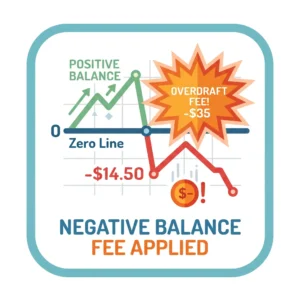
An overdraft happens when your bank lets you spend more than you have in the account and treats the difference as a short-term loan, usually with high fees or interest.
That is the opposite of an Non-Sufficient Funds (NSF) bounce, where the bank rejects the payment. NSF means the bank rejects the payment and charges a bounce fee; overdraft means the bank allows it as a short-term loan.
Overdraft is becoming less commonly offered, as many consumer protection groups argue that it places even greater financing charges on those who can least afford it – and they would be better off simply having the transactions declined.
Related Lessons: