How to Avoid Identity Theft, Scams & Fraud
In the past, information about your bank transactions, credit card transactions, investment statements, and other financial paperwork came through paper documents. People were told to keep these documents safe or shred them when they were not longer needed. Today, the majority of our financial records can be accessed online. Apart from a few paper records, everything you need to know can be accessed from nearly anywhere in the world, instantly.
While online access definitely makes our record keeping simpler and eliminates a paper trail, we now need to ensure that we are the only ones who can access our online financial records. Fraud and identity theft are growing problems, impacting millions of people each year.
Students face financial risks from many directions, including phishing attempts, identity theft, online scams, and predatory lending tactics that use deception or high-pressure sales to get people to borrow, spend, or share information. Knowing how to recognize these warning signs can help you avoid financial losses before they happen. Later in this lesson, we will also look at steps you can take to protect yourself and recover if you become a victim.
For more information about recognizing and responding to predatory lending practices, see How to Use Debt to Your Advantage.
Types of Fraud
Not all fraud is created equally – these are the most common scams to watch out for, followed by what you can do to protect against it.
- Theft: this is when a fraudster uses your personal information to log into your bank account (or other account) and transfers money to themselves, buys things and ships to themselves, ect. This is the most direct type of fraud, and relies on keeping all of your accounts secure.
- Identity Theft: this occurs when someone gains access to enough of your personal information to pretend to be you, usually by using your social security number, name, address, and potentially other information. With Identity Theft, the fraudster would use your information to open up credit cards, take out loans, or obtain government benefits for themselves – leaving you with the bill.
- Deceptive Business Practices: this is when a business provides false or incorrect information, usually to get you to buy something you did not want/need, or to artificially inflate your bill. These business practices are usually illegal, and you can complain to consumer protection agencies for help.
Predatory Income Opportunities
Not every job, sales opportunity, or promise of extra income is what it appears to be. Legitimate jobs pay employees for work they perform, while legitimate sales opportunities generally compensate people for selling actual products or services. Other opportunities may depend heavily on recruiting new participants, paying fees, purchasing inventory, or making unrealistic promises about how much money participants can earn.
A multi-level marketing (MLM) business typically involves participants selling products or services while also having the opportunity to recruit other sellers. An MLM is not automatically a pyramid scheme, but participants should carefully consider how they are expected to make money and what expenses they will have.
A pyramid scheme, by contrast, depends primarily on recruiting new participants and the money they bring into the organization rather than genuine retail sales. Some questionable opportunities may also involve inventory loading, where participants are encouraged or required to purchase more products than they can realistically use or sell in order to remain eligible for compensation or rewards.
Be cautious of an income opportunity if:
- You must pay large recruitment, membership, or training fees to participate.
- You are pressured to purchase large amounts of inventory.
- Promoters make impressive income claims without clearly showing what typical participants actually earn and spend.
- Making money depends heavily on recruiting friends, relatives, or other new participants.
- You are pressured to make a decision immediately rather than research the opportunity.
- Promoters claim they can help you legally avoid paying taxes, obtain questionable tax refunds, or make “easy money” with little effort.
Before joining an income opportunity, research the company and its products, look for business filings and complaints, and review guidance from organizations such as the Federal Trade Commission (FTC), Better Business Bureau (BBB), and Internal Revenue Service (IRS). Ask for the compensation structure, fees, expected expenses, and income information in writing before paying or signing anything.
Practice Activity: Evaluate the Pitch
Imagine someone tells you: “For $500, you can join our company and receive a starter inventory package. Recruit five friends and you can quickly earn your money back. Our top sellers make six figures, but you need to sign up today to lock in your position.”
Would you engage, report, or walk away? Identify at least three warning signs in the pitch and explain what information you would verify before making a decision.
Instructor Guidance: Students should recognize warning signs such as the upfront payment, emphasis on recruiting, pressure to act immediately, inventory purchase, and an income claim that provides no information about typical participant earnings or expenses. Students should recommend researching the company and compensation structure rather than joining immediately.
Investment Fraud Patterns
Fraudsters may also disguise scams as investment opportunities. Understanding some common patterns can help you recognize when an investment offer deserves additional scrutiny.
Ponzi Schemes
A Ponzi scheme uses money from new investors to pay supposed returns to earlier investors rather than generating those returns through legitimate investments. For example, a promoter might promise investors unusually consistent returns, use money from new investors to make payments to earlier participants, and claim those payments are investment profits. The scheme can continue as long as enough new money comes in, but eventually collapses when the promoter cannot attract enough new investors or too many investors ask for their money back.
Warning signs can include unusually high or consistent promised returns, vague explanations of how profits are generated, difficulty withdrawing money, and pressure to reinvest your returns.
A Ponzi scheme is different from a pyramid scheme. Ponzi schemes generally revolve around fraudulent investments, while pyramid schemes depend on participants recruiting additional participants into an income or sales structure.
Pump-and-Dump Schemes
In a pump-and-dump scheme, fraudsters promote a stock or other investment using exaggerated, misleading, or false claims to increase its price. Once other investors buy in and drive the price higher, the fraudsters sell their holdings. The price may then fall sharply, leaving other investors with significant losses.
Be suspicious of unsolicited investment tips, promises that an investment is about to skyrocket, or pressure to buy immediately before you supposedly “miss out.”
Advance-Fee Scams
An advance-fee scam asks a victim to pay money upfront before receiving promised funds, investments, prizes, or returns. A fraudster may even contact someone who has already lost money and claim that paying an additional “tax,” “processing fee,” or “release fee” will unlock or recover their funds.
Treat requests for additional money to release supposed investment profits with extreme caution. Verify the person or company independently before sending additional funds.
Keeping Your Information Safe
When it comes to your unique identification (your birthdate, your social security number, your bank account numbers, your passwords, etc.), be aware that scammers would like to get that information in order to take advantage of you and others. You might tell yourself that you’ll never give out that information, but when someone calls from the IRS asking you to confirm your social security number, you may do it without thinking. After all, isn’t the IRS a trustworthy organization? The answer is Yes, but fraudsters pretend to work for the IRS and other trusted organizations just to get personal information from people like you. Unknowingly giving personal information to a scammer is one of the most common ways people expose themselves to identity theft and fraud. There are a few best-practices you can use to make sure your information stays safe.
Key Steps to Protect Yourself
Whatever type of offer, message, or financial opportunity you encounter, there are a few basic steps that can help protect you:
- Verify before acting. Research the person, company, or offer independently rather than relying only on information provided by the person contacting you.
- Do not give in to pressure. Never share personal or financial information because someone pressures you by phone, email, text message, or social media.
- Consider a credit freeze when appropriate. If your personal information has been stolen or you are at serious risk of identity theft, freezing your credit can make it more difficult for someone to open new accounts in your name.
- Get official help if you have already been scammed. Depending on the situation, contact appropriate government agencies, consumer-protection organizations, law enforcement, or legal-aid resources rather than paying someone who unexpectedly offers to recover your money.
Never, Ever Give Out Your Password
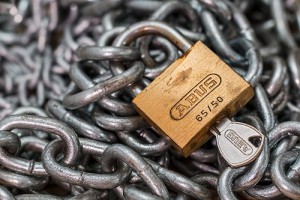
Never give out your password. This may seem obvious, but it remains the most common way that you allow someone access to your account. An agent of a financial institution will never ask for your password. Employees whose job responsibilities include helping customers can access your accounts using their own administration tools. Some companies will ask you to set up security questions to reset your own password if you forget what you chose. Other companies will ask you to choose a PIN number so that if you need help with your accounts, the PIN acts as another layer of security.
Create different passwords for your accounts. Never use the password to your banking information on a website where you shop. Some websites let their staff see your password or they store your password in such a way that it can be decoded easily. In recent years, the news has reported stories of retailers or websites that were “hacked.” This means that someone got unauthorized access to the website information, often including customer account information. The hackers can then use the customers’ personal information in illegal ways. Since people often use the same email address or username for different online accounts, hackers who have stolen your personal data will try the same username and password combination they stole from one site to get access to other sites.
The best approach includes creating unique passwords for each of your accounts and updating your passwords every few months.
Keep Your Credit Card Number Safe!
“Hello, this is Jameson calling from Visa. Would you mind verifying your credit card number for me?” Identity thieves often call and claim to be from the IRS, the electric company, or a local business who claims you just won a prize. Why? Because these are organizations you trust and they are hoping you’ll let your guard down and give them your credit card number.
This type of fraud also happens online through emails where you are asked to click a link and verify your information for your bank account, your Paypal account, your Apple account, etc. These emails often ask for personal information in an effort to steal your login credentials or card information. The links may even look very realistic.
Just remember, if you weren’t the individual who initiated the phone call or the email, don’t give out your credit card number. In all cases, call your financial institution to verify that they needed to reach you, or in the case of an email, report it as spam.
Other Security Measures

Most financial institutions and other retailers now have multiply layers of security in place to protect you and your accounts. If you try to reach your online bank account and you are using a device that the bank’s server doesn’t recognize, such as a new computer or a computer at the hotel you are visiting, the bank will want to verify that you, the account holder, is truly the one trying to access the account. The bank will send you a temporary PIN number via text, a phone call, or an email, and you will need to enter that information online in order to complete your login process.
Most credit cards now include a chip and a CVV code. The chip means that when you use your card at a retailer, your account information is scrambled, making it harder for the information to be stolen. The CVV code (card verification value) protects your card number from being used in online transactions unless that code is also provided.
One security measure you need to be aware of is the way you share personal information on social networking sites. If you post too much information about yourself, an identity thief can “uncover” key pieces of information about your life and use it to answer the “challenge questions” on your accounts.
Impersonation Scam
Impersonation scams are the most common scam out in the wild – and you will almost certainly be targeted by it soon (if you have not already). With an impersonation scam, the scammer pretends to be someone you know, and asks you to send them money or gift cards.
The impersonation scam is most infamous for targeting the elderly, with the impersonator pretending to be a grandchild or relative needing some quick cash to get out of an emergency. The elderly are not the only target though – it is increasingly common for anyone starting a new job to be contacted by their “boss” (usually by text message) asking for an emergency purchase of gift cards for an important client contingency – promising immediate reimbursement as soon as the “boss” is back in the office.
Who CAN You Share Your Information With?
In the normal course of doing business, a company may ask for personal information about you. After all, your personal information is what makes you unique, so that is an easy way for a company to create a unique customer database. But there are only a few situations where you need to provide this data about yourself. Your employer will need your personal information for wage and tax purposes. A business may ask for your social security number in order to check your credit before giving you a loan, renting you an apartment, or making a job offer. However, most institutions do not need your social security number at all. If they ask for it, ask if they can provide you with a unique customer number instead.
The decision to share your key personal information is yours to make. Ask questions before deciding to share it. Ask why they need that information, how it will be used, how they will protect it, and what happens if you decide not to share. After all, it’s your identity at stake.
WWhat To Do When Disposing Of Your Devices
Computers, smartphones, tablets, and other electronic devices can contain a large amount of personal and financial information. Simply deleting individual files may not be enough to securely remove that information. Before you sell, donate, recycle, or dispose of a device, take steps to protect the data stored on it.
- Back up information you want to keep. Save important files, photos, documents, and other information to another secure device or trusted cloud service before erasing the device.
- Erase your personal information. Use the device’s built-in reset or secure-erase features and follow the manufacturer’s instructions for removing your data. For smartphones and tablets, this generally includes performing a factory reset and removing any SIM or memory cards.
- Recycle or donate devices responsibly. Once your personal information has been removed, use an appropriate electronics recycling, manufacturer take-back, donation, or other disposal program.
Whatever method you choose, make sure your personal information has been removed before the device leaves your possession. This can reduce the risk that someone else will recover your information and use it for identity theft or fraud.
Risky Behaviors
Most “hacks” really come down to social engineering, or convincing you to make a mistake that lets a fraudster steal your data. These are common types of risky behavior, and how they open you up for potential fraud:
- Sharing Passwords. No reputable business will EVER ask for your password over the phone or by email – only you should know your passwords, and nobody else.
- Re-Using Passwords. This is another red flag – you should do your best to use different passwords for every institution you work with. It may be that your bank account has the world’s best password security and is completely un-hackable. But if you use the same password on a knockoff photo sharing website, that site could be hacked and the hackers try the email addresses/passwords they stole on banking and other financial websites. This is the source of most “hacked” data.
- Panicking Over The Phone. Phone-based scams are hugely on the rise, which generally operate by convincing you that you are either in trouble or some service you use is about to expire. In both cases, the fraudster’s goal is to get you to panic and reveal financial or sensitive personal information that can be used to steal valuable information, or just login information to steal money directly.
- Revealing Information Online. Many fraudsters impersonate your friends or family online in an attempt to get you to let your guard down. Always avoid revealing too much personal information online, especially if you are not 100% sure of the identity of the people you are talking to.
What To Do If Your Identity Is Stolen
Even when you take precautions, identity theft can still happen. Recovering from identity theft may take time and can involve contacting several organizations, correcting fraudulent accounts, monitoring your credit, and keeping records of the steps you have taken.
If you believe your identity has been stolen:
- Report the identity theft at IdentityTheft.gov. This Federal Trade Commission resource can help you create a personalized recovery plan based on what happened.
- Contact the major credit bureaus. Review your credit reports for accounts or activity you do not recognize and consider placing fraud alerts or credit freezes when appropriate.
- File a police report when appropriate. A police report may be useful or required in certain situations when disputing fraudulent activity.
- Change compromised passwords. Change passwords for affected accounts and any other accounts where you reused the same or similar login information.
- Document your recovery. Keep copies of reports, emails, letters, account statements, case numbers, and notes about whom you contacted and when.
Recovery and Consumer Protection
Recovering from fraud or identity theft is not always immediate. Victims may need to dispute fraudulent charges or accounts, replace identification, monitor their credit, communicate with financial institutions, and follow up repeatedly until inaccurate information has been corrected.
Different types of fraud may also require different reporting channels. Online scams, deceptive business practices, and other suspected consumer fraud can be reported to the Federal Trade Commission (FTC). Depending on the situation, consumers may also contact their state Attorney General’s office or the Better Business Bureau (BBB) for information, complaints, or assistance.
Keeping detailed records throughout the process can make it easier to demonstrate what happened and track the steps you have already taken.
Challenge Questions
- Why are your personal details valuable to hackers?
- How can you be effected when your private information gets into the wrong hands?
- Have you or anyone you know ever been a victim of fraud. If so, explain how it could have been prevented.
- Give three pieces of advice that you would pass onto someone younger than you, on how you can protect yourself against fraud and scammers.