Why You Buy What You Buy
Clearly no two products are exactly alike and therefore each merits a unique marketing strategy. However, certain products carry similar characteristics in terms of price level, similarity between competing brands, and the way consumers approach them in the buying process. It is often useful to group these similar products into categories in order to help set up marketing strategies for each segment. This process is known as product classification.
Within the category of consumer products, there are four main classifications: convenience goods, shopping goods, specialty goods, and unsought goods. This article will describe characteristics of goods in each category, provide examples, and discuss relevant marketing strategies. Additionally, it will touch on the validity of this model of product classification as a useful input for developing marketing strategy.
Consumers do not make every purchase in the same way. Some buying decisions—especially consequential purchases such as buying a home or a car—involve a rational decision-making process in which consumers systematically compare alternatives to identify the product that best meets their needs and wants. However, many everyday purchases, such as grabbing a coffee on the way to work, are habitual or routine and involve little conscious evaluation. While rational decision making can lead to better purchasing choices, it also comes with costs, including the time and effort required to gather and compare information. This difference in buying behavior helps explain why different types of products require different marketing strategies.
Psychological Influences on Buying
In addition to product type, psychological factors influence consumers’ buying decisions. A person’s values and beliefs can shape the products they choose—for example, someone who values environmental sustainability may prefer eco-friendly brands. Perceptions also play an important role, as consumers often buy products based on how they perceive their quality or reputation rather than objective differences. Learning from previous experiences influences future decisions as well; a customer who has had a poor experience with a particular brand may avoid purchasing it again. Finally, individual motivations, such as the desire for convenience, status, or security, affect consumers’ willingness to buy. These psychological influences are especially important when consumers are making shopping or specialty purchases, while convenience goods are more likely to be purchased out of habit with little evaluation.
Convenience Goods
These are products that consumers purchase often and habitually, without much thought given. Convenience goods usually are low-cost items with little differentiation between brands, and therefore customers often pick a brand one time and then remain with that brand without reconsidering. Examples include toothpaste, ketchup, soap, and candy.
In contrast, routine purchases such as convenience goods are often supported through mass advertising, digital marketing, coupons, and other direct-marketing efforts rather than extensive personal selling, since consumers typically spend very little time evaluating these products.
Marketing Strategy

Because convenience goods carry a relatively low price, consumers usually don’t bother price-checking—they simply stick with the brand they have always bought. For that reason, pricing isn’t overly important as long as the company doesn’t raise prices to the point of being significantly different from competitors. If someone always purchased Crest toothpaste for their entire life, they will not bother checking Colgate’s price to see if they can save a few cents; it’s a habitual purchase. Wide-scale promotion is very important in order to build brand recognition. Typically for a quick, impulsive purchase consumers will choose a brand that they have heard of and are familiar with (Heinz ketchup, for example, holds over 60% market share in the US largely because of its iconic brand). Strategic placement is also frequently used in an attempt to sell convenience goods. A common example is when stores place candy and other small items near the checkout line to encourage impulse purchases. Store layout, lighting, noise levels, product availability, and even the time of day can all influence consumers’ buying decisions by creating temporary conditions that encourage habitual or impulse purchases.
Shopping Goods
In contrast, consumers looking to purchase shopping goods are more willing to research and compare different product options. This reflects a different purchasing pattern, which refers to a consumer’s typical routine for making purchases, including the timing, frequency, and quantity of purchases. Purchasing patterns are influenced by factors such as where a person lives and works, their income level, and the buying habits of their family and friends. Because shopping goods are higher-priced or more important purchases, consumers are generally willing to spend more time evaluating alternatives before making a decision.
Marketing Strategy

Strategically, product quality and pricing are much more important for shopping goods than for convenience goods. Because customers often spend considerable time researching these purchases, businesses frequently use detailed product information, knowledgeable salespeople, demonstrations, and personalized selling to help consumers make informed decisions. With customers actively weighing their options, it is vital for a company to provide an offering with attractive value. This can mean selling a product that is better quality than competitors for the same price or selling a product that is similar in quality but at a lower price. The larger the purchase, the more important marketing the good becomes because customers will more actively consider the product’s price-value relationship. Promotion is also important for shopping goods in order to differentiate a product from its competitors and to communicate the value proposition to customers. Whereas promoting convenience goods simply focused on awareness, promoting shopping goods must focus on separating a product from its competition in the minds of customers.
Specialty Goods
Specialty goods are products are so unique or have such a loyal following that consumers will go to extensive lengths to seek them out. Rather than comparing brands looking for an attractive value, buyers of specialty goods focus on seeking out the one specific product they are looking for. Examples include Ferraris, GoPro cameras, and iPhones.
Marketing Strategy

Typically, consumers of specialty goods do not have much price sensitivity—they are willing to pay whatever price is necessary for the product or brand that they prefer. Someone purchasing a Ferrari likely doesn’t care if a similar car is a few thousand dollars cheaper; they are paying for the brand name and the social status that comes with owning a Ferrari. Therefore, more of the company’s strategic focus needs to be centered on developing outstanding and innovational products that will retain the loyalty of their following. Promotion focuses on demonstrating the company’s latest great product and when/where people can buy it. It is also important to promote status that comes with the brand.
Unsought Goods
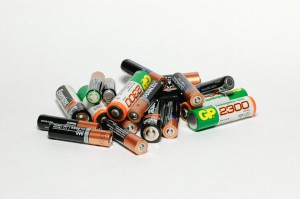
The final category of product is unsought goods—products that consumers either do not know about or would never think of buying. They are often items that people buy out of a sense of fear or danger, such as life insurance or fire extinguishers. Another example is batteries; no one ever thinks to buy a battery until their old ones die and need replacement.
Marketing Strategy
The key to marketing unsought goods is to remind consumers that the product exists and to convince them that they need to purchase the product to avoid future hardships. For example, a company might run an emotional campaign focusing on how the potential customer’s loved ones will suffer financially if the customer dies unexpectedly. If successful, this would convince the buyer that purchasing a policy is a payment toward protecting their family and they would be compelled to go through with it in order to not have to worry about the potential danger. A lot of promotion is necessary, because consumers rarely think about buying such products unless they are prompted to.
Validity of Model

There are certain issues or uncertainties within the product classification model that need to be taken into consideration. One problem is that certain goods can potentially fall under multiple categories. For example, certain customers may see diamonds as a shopping good and compare prices extensively between brands before making a purchase. Other consumers may have chosen one brand as the best (ie Tiffany & Co.) and they buy that brand for the quality and status it brings. Sometimes product classification can vary depending on the individual customer that is buying the good.
Additionally, convenience goods and shopping goods can have some overlap. There are customers that may have bought Dove soap for their entire life, but will switch to Ivory if they look on the shelf and notice that it’s cheaper. Sometimes the social responsibility of the company producing the good can play a factor in the consumer’s choice as well. If it gets out that one toothpaste-maker mistreats their workers, there are a lot of people that would make a conscious decision to switch to a different brand.
Ultimately, businesses tailor their marketing strategies to match the way consumers make buying decisions. Consequential purchases often require detailed information and personalized interactions, while routine purchases can often be influenced through advertising, product placement, and other forms of mass marketing.
While there are certainly some concerns with the product classification model and some external factors to keep in mind, it remains a useful general tool to help in planning marketing strategy.